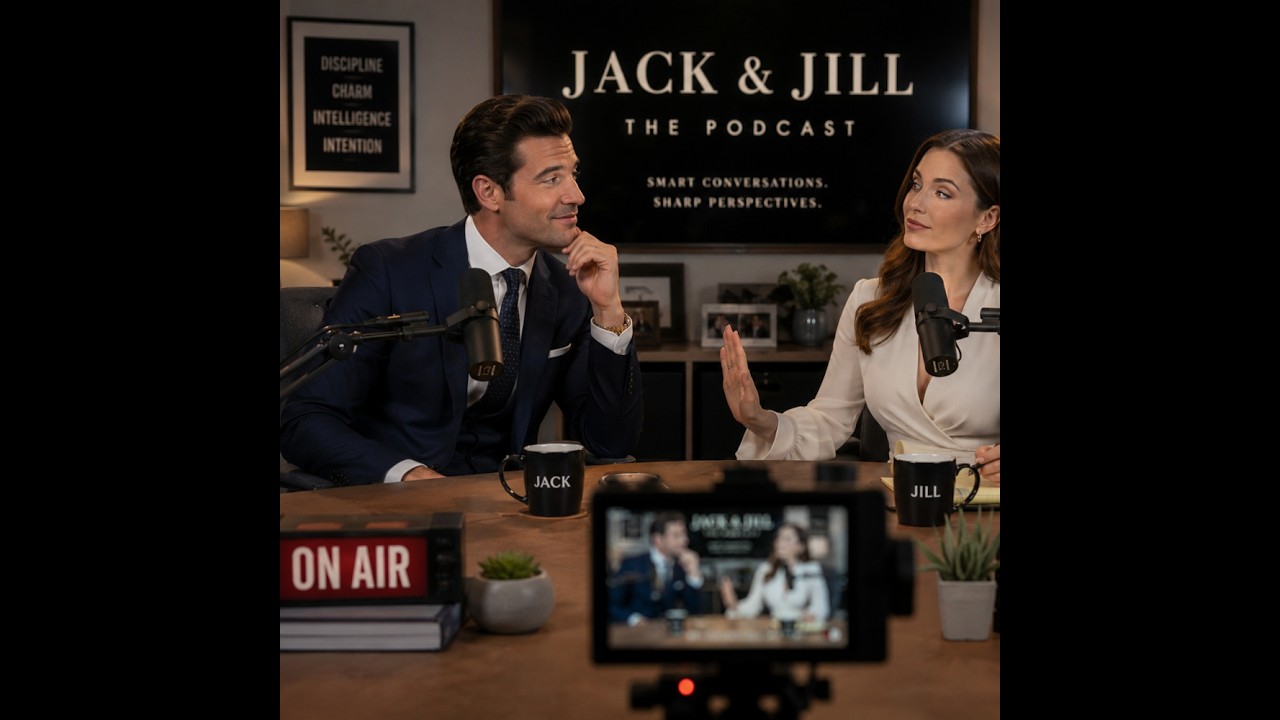
@techman , the subject of this post might demonstrate my misunderstanding. Did you say that you generated those podcast episodes and cover images with AI? I’d like to learn more about that.
Hi James,
Yes I did, it was AI all the way.
Project Deep Dive
I used my AI at the time (Deepseek-V4-pro) to scan the subject subdirectory and create a ‘deep dive’ analysis text file. ‘deepdive.md’
Project Audio
Go to Google NotebookLM
Select the ‘Audio’ menu and generate a ‘AI podcast based on your sources’
I chose the ‘Dual Co Host’ lively banter between male and female podcasters option. based on the ‘deepdive.md’ which I uploaded.
I generated ‘deepdive.mp4a’ audio which was typically 45 MB for 15 minutes of audio. When its finished (takes a while). Download the file.
Project Image
Go to Chatgpt com
I then asked ChatGPT using DAL-E to make an image that will be used in the next step.
“Make a image of a homelabber in code up to his neck in his lab while a disapproving wife leans seductively in the doorway trying to attract his attention for some personal time”
When its done, right click on the image and select ‘save’. Save it as ‘cover.jpg’
Back to your Linux box
Youtube won’t accept a *.mp4a file as a podcast, you have to wastefully generate a mp4 video file first. Using my simple methods, this will turn your 45MB file into a 130MB video!
(I intend to investigate a more highly compressed video format at a later date.)
For that I used FFMPEG like this:
ffmpeg -loop 1 -i cover.jpg -i deepdive.m4a
-c:v libx264 -tune stillimage -c:a copy -shortest
-pix_fmt yuv420p deepdive.mp4
Upload to YouTube
In the usual way, and your new podcast is online.
Youtube recognised from its earliest days that it needed a visual component. Just audio was a podcast or some other more typical media format and there were other apps for that.
Youtube has gone from strength to strength. It now beats Netflix, Disney+ and is up there with FaceBook and Tik Tok in terms of popularity and time spent on the channel. If you want to reach our demographic you have to be on YouTube.
However as the @techman has demonstrated the video component does not need to be very much. Most YTs I watch are talking heads, and it is only occasionally that I need see what’s on the screen. If there is important information, and I want to take more time to grok it, it is usually better if they link to the original graph, github, pdf or some other resource’s URL.
The step up from a constant background image is intermittent stills but even better is a series of roughly relevant video clips. I like Economics Explained which has refined this technique. It probably requires a dedicated graphics / video designer but with multiple language YouTube channels and a newsletter and 2.86 million subscribers it is no doubt worth it for them.
@jdownie, planning the HLB YT channel? 
Here is my new-new Podcast about this very subject