Very impressive @techman. Is this podcasting as documentation?
I was going to complain that it was AI slop or that I would rather listen to your dulcet tones but the YouTube with voice narration, captions and transcripts was remarkably easy to listen to and to follow. I was surprised when I found that I had got to the end of the video and had a very rough understanding of why and how to use a four stage transformation pipeline to efficiently program a STM32 S051 microcontroller.
Can’t wait for the movie.
Everything’s a podcast these days. I’ve long been a fan of Peter Hartcher, political commentator for the Sydney Morning Herald. Now days I mostly come across him on YouTube being interviewed by the Morning Edition. It is so much easier to get through a twenty minute conversation than a thousand word essay … and you can even get the dishes done at the same time.
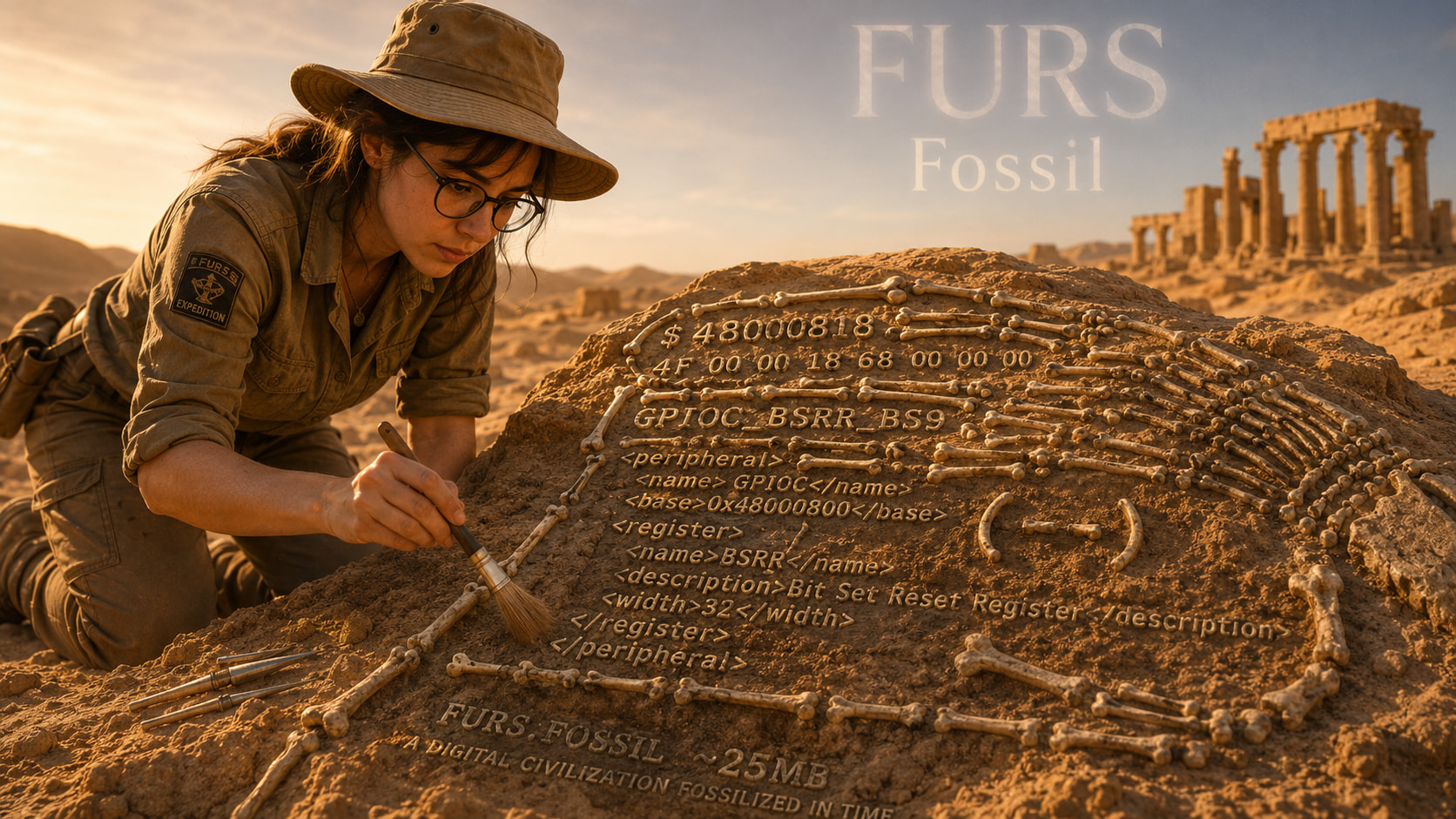
I was also hoping to get thru to embedded people who normally program STM32 in C as FURS is for Forth programming. After your review above, I think there is a very good chance that they will understand the tech in this podcast.
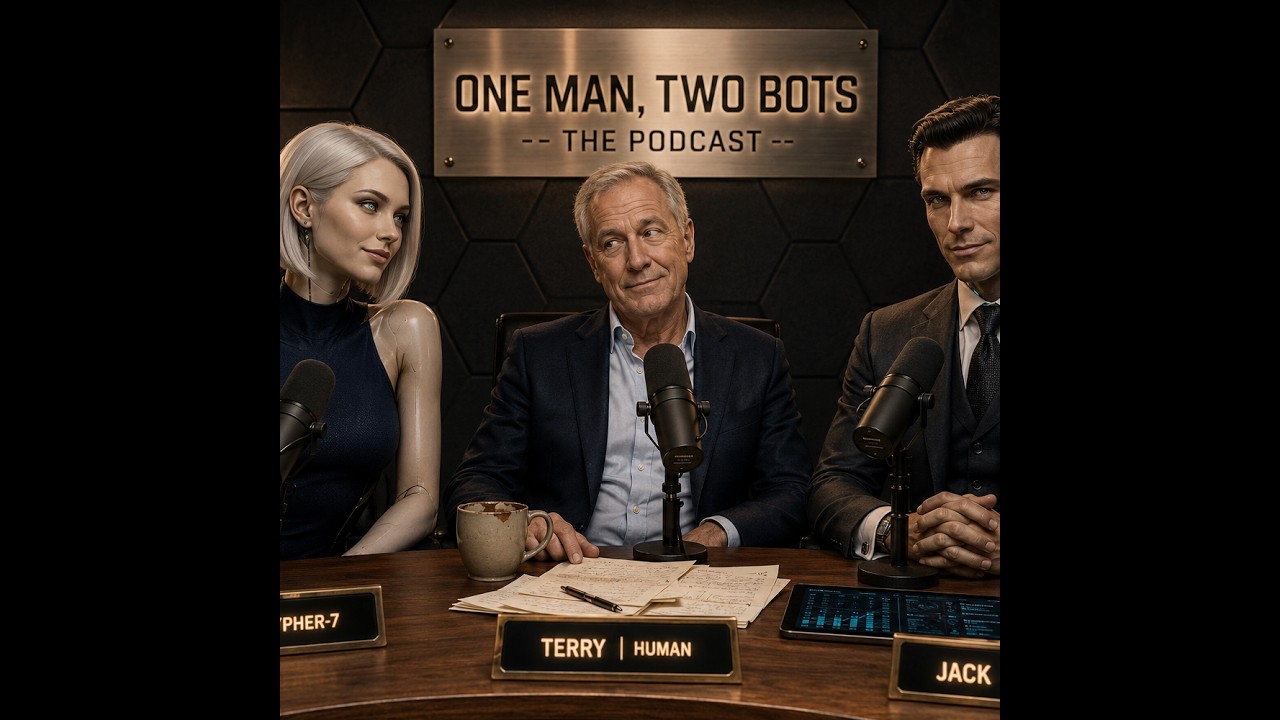
This is my latest Podcast with a new cover image, plus now I’m making extensive use of a non-linear video editor and the tools I have made especially for it.
I now start with Two Host AI deep dive, but finish after I supply all the technical details that the fast AI deep dive can’t supply, and probably never will.
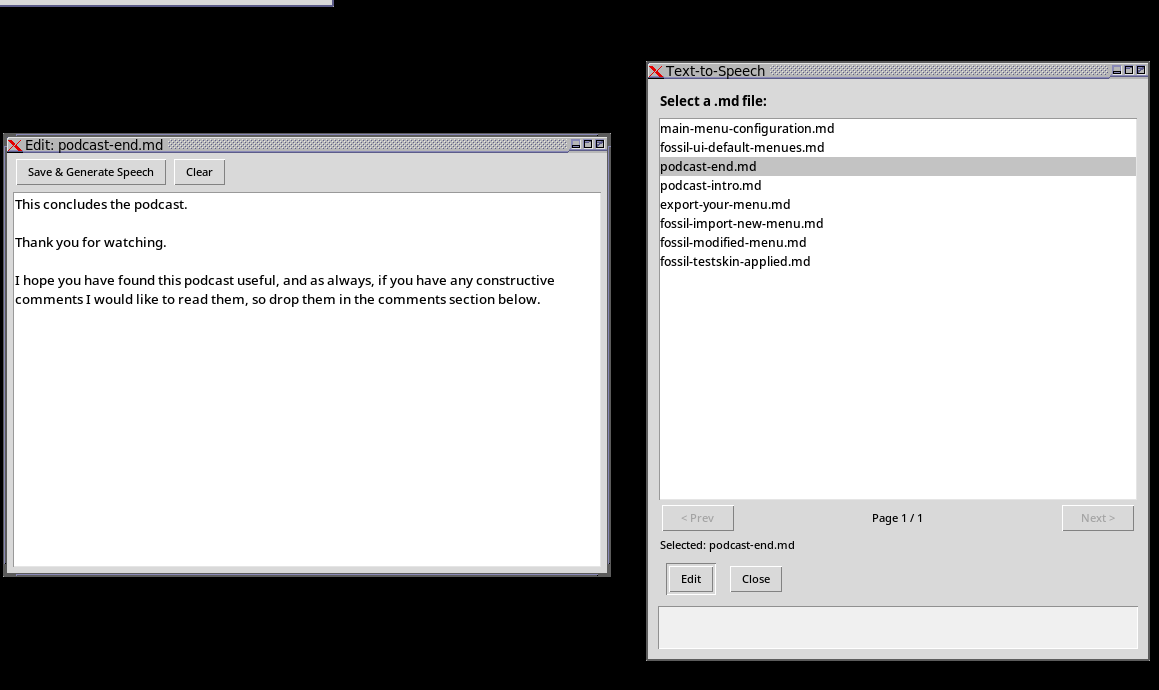
I use the words from my own script, but it’s not my voice because it is made by a very good text to speech synth for the following reasons.
Audio editing: a microphone hears everything, from my breathing, the hiss of the cheap sound card and the trucks passing by on the highway outside. Not to mention the beeps of my IRC channels when someone speaks, or the verbal blunders I make.
Doing away with the microphone removes all that hassle, and the hours of post processing audio entails.